Medical Record Review Is Slowing Down PI Cases — Here’s Why

Medical Record Review Is Slowing Down PI Cases — Here’s Why

Medical Record Review Is Slowing Down PI Cases — Here’s Why

Personal injury cases are built on documentation. But as case volumes grow and medical records expand, reviewing those records has quietly become one of the most time-intensive parts of PI work.

Before demand letters are drafted, before strategy is finalized, and often before meaningful client updates can be provided, legal teams must work through hundreds — sometimes thousands — of pages of treatment records, provider notes, imaging reports, and billing documents.

For many firms, medical record review has become the workflow bottleneck that slows everything else down.

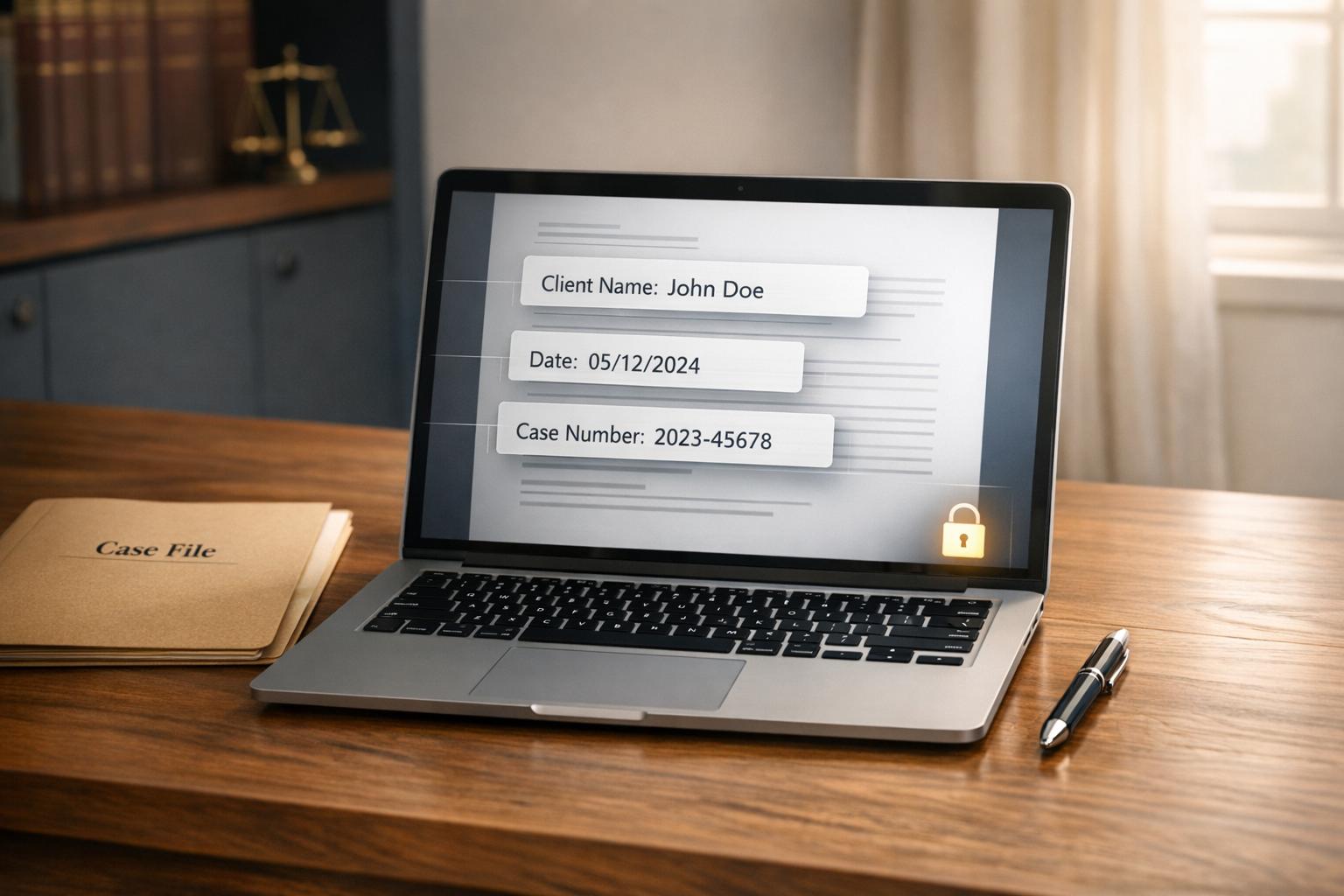
Stacks of medical records and case documentation are one of the most common sources of delay in personal injury case preparation.

Stacks of medical records and case documentation are one of the most common sources of delay in personal injury case preparation.

Why Medical Records Create Friction

Medical records aren’t just long — they’re complex.

Teams must:

  • Identify all treating providers
  • Track treatment dates
  • Note diagnoses and procedures
  • Flag gaps in care
  • Distinguish new injuries from preexisting conditions
  • Locate imaging references and specialist notes

This requires careful reading and cross-referencing across documents that often use inconsistent formats and terminology.

The work is essential. But it is also repetitive and detail-heavy.

Where Time Actually Gets Lost

The bottleneck isn’t just the number of pages. It’s the search process.

Legal staff often spend time:

  • Flipping between PDFs to find one date
  • Scanning for mentions of a specific body part
  • Searching for who recommended surgery
  • Building timelines manually from scattered notes
  • Double-checking records for missed treatments

These micro-tasks add up across every case and can take hours, even days.

Why This Affects the Entire Case Workflow

When record review slows down, other tasks wait:

  • Demand drafting
  • Case summaries
  • Deposition preparation
  • Strategy discussions
  • Client communication

This creates a ripple effect. Teams may feel caught between thoroughness and time pressure.

How Assistive AI Helps Reduce This Bottleneck

Assistive AI tools like Law Unleashed are designed to support medical record review by helping organize and surface information more efficiently.

They help by:

  • Summarizing large volumes of records into structured formats in minutes, not hours or days
  • Extracting treatment dates, providers, and diagnoses
  • Highlighting mentions of specific injuries or complaints
  • Building timelines that teams can verify and refine

Law Unleashed was built specifically for personal injury casework, which is why its summaries, timelines, and drafting tools align with how PI teams already prepare cases.

For example, instead of manually scanning hundreds of pages to track treatment progression, teams can generate a structured timeline that lists providers, visit dates, diagnoses, and procedures in one view. Legal staff review and adjust as needed, but they’re no longer starting from a blank page or searching across multiple documents.

This allows legal professionals to focus more on analysis and case strategy rather than manual searching.

See how assistive AI supports medical record review right now:
Law Unleashed helps PI teams organize treatment timelines and summaries while keeping control inside the firm.
👉 See how Law Unleashed organizes treatment timelines and record summaries in real PI workflows

Human Review Still Matters

Medical-legal work involves nuance. Records often contain inconsistencies, evolving diagnoses, and contextual details that require professional judgment. While assistive AI can help organize and summarize information, legal teams are responsible for reviewing, interpreting, and deciding what matters for the case.

AI-generated timelines and summaries should be treated as structured starting points — not final legal work. Legal professionals verify accuracy, add context, and make strategic decisions based on their knowledge of the client, the claim, and the broader case narrative.

Firms can also standardize how summaries are structured using firm-approved templates with Law Unleashed. This helps maintain consistency across cases while keeping review and final decision-making fully in human hands.

Assistive AI works best when it reduces the mechanical effort of searching and organizing, allowing legal teams to spend more time on analysis, strategy, and client-focused work — where their expertise makes the greatest difference.

The Bigger Picture

Personal injury professionals don’t enter this field to spend hours searching through PDFs. They focus on advocacy, strategy, and client outcomes.

Reducing friction in medical record review helps teams:

  • Stay organized
  • Respond more quickly
  • Prepare stronger documentation
  • Spend more time on client-facing work

The work remains human. The tools help manage the volume of work.

Key Takeaways

  • Medical record review is a major source of workflow delay in PI cases
  • Much of the time is spent searching and organizing, not analyzing
  • Assistive AI helps structure information for faster review
  • Legal professionals still verify and interpret all case details
  • Reducing this bottleneck improves overall case preparation flow

See how assistive AI fits into your medical record workflow

Law Unleashed is designed to help PI teams organize records, timelines, and summaries more efficiently — with full human review and control inside your firm.

Start with the free version and explore how it works with your real case documents.
No demo required — but one is available if you’d like a walkthrough.

👉 Try Law Unleashed free

If you’re new to the idea of assistive AI in personal injury work, it helps to understand how these tools are designed to support — not replace — legal teams. What “Assistive AI” Really Means for Personal Injury Teams

Topics

#Automation#Compliance#LegalTech